Playbooks
Age bands that reduce returns
Kids labelling cues parents and platforms accept.
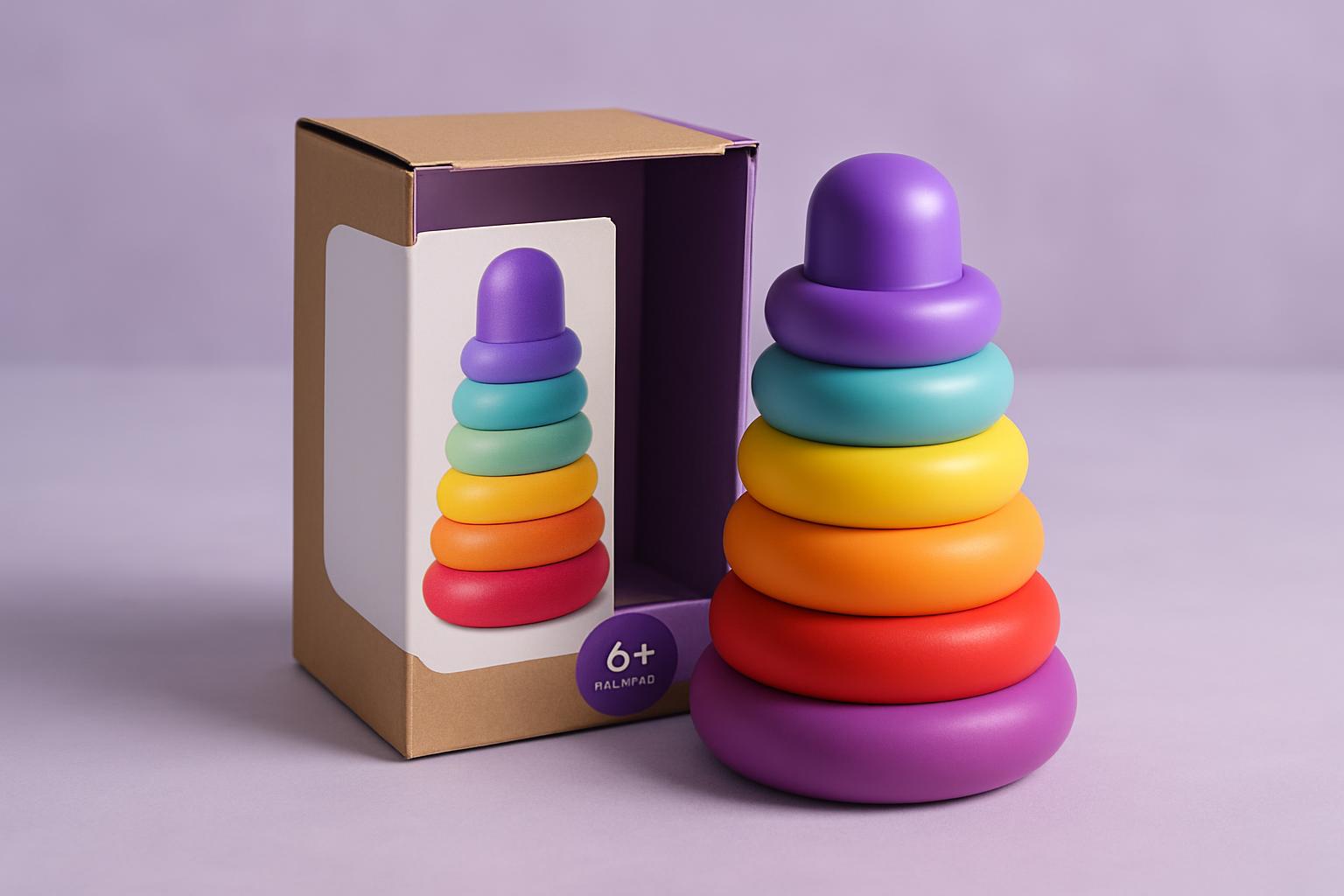
Age band checks on packs
Kids labelling cues parents and platforms accept. Parents and platforms both read age bands. Write them like a human, not like a legal footer nobody sees.
Parent-facing wording that holds
January school drops are unforgiving when the card says 3+ and the toy feels 8+.
SA channel label fit
In South Africa, age guidance gets tested across PDPs, WhatsApp cards, carton stickers, and the small card inside the pack. Gauteng sellers moving January school lines need the same band on every touchpoint, or parents read the mismatch before checkout. Cape Town and Durban lanes add one more check when moisture-softened cartons make tiny print harder to trust. Marketplace teams also lean on plain labels when deciding whether a kids item was listed responsibly.
Checklist
Start by locking the shortlist and supplier note in writing. 2) Attach the pack or compliance card before creative. 3) Pair this playbook with Kids & Family Range. 4) Keep a return or reorder script in the same folder. 5) Send a message through our contact form if you want a Rosebank team read.
Where returns usually start
WhatsApp cards should carry the same band as the PDP. Split stories create refunds. Skipping the boring card is how Monday firefights start.
Next file to open
Open Kids & Family Range, scan related channels, and pull a matrix from stacks or resources. Projects under /projects show how desks ran similar briefs.
Desk review for kids bands
At Rosebank HQ, the review starts with the supplier shortlist and the exact age text proposed for the listing. We place the pack card, carton photo, and product image side by side so the selling story cannot drift. If one says toddler use and another reads like junior primary, that item gets held back.
Printed notes still matter when a sample arrives without a clean digital spec sheet. The team marks sharp edges, loose pieces, and reading level cues directly against the age band being claimed. That makes it easier to catch a 3+ label sitting on an item that clearly asks for older hands.
Most teams leave with edits to product names, image captions, and the small card packed with the item. Use our contact form when those changes are ready and you want a second look from the Rosebank desk.
Recent pattern seen in listings
A frequent issue in Gauteng drops is a supplier card that says one age band while the hero image shows a child much older. Parents spot that gap fast, especially on gift purchases close to school opening. The fix is usually better image discipline, not louder copy.
On marketplace and WhatsApp sales alike, age language works best when it matches the physical insert and any safety note shown in photos. A clean 6+ on all assets is easier to defend than mixed wording such as junior, little kids, and big kids on the same SKU. Consistency lowers disputes when buyers compare what arrived with what they read.
Returns climb when the first creative goes live before anyone has checked the actual pack card. That is common with fast kids launches built from supplier images only. Once the sample lands, the age story often needs tightening.
Keep this alongside Kids & Family Range. Keep both in the same folder as your margin worksheet and courier-class notes from stacks.
Five checks before publish
- Match PDP band to pack card.
- Check photos for age-appropriate use.
- Remove mixed toddler and junior cues.
- Keep refund script aligned with label.
- Pause launch if supplier wording conflicts.
This work is not decorative. It keeps kids listings readable for parents, support staff, and marketplace reviewers when the rush starts.