Playbooks
Cold-chain flags before listing
When pantry SKUs need more than a cardboard box.
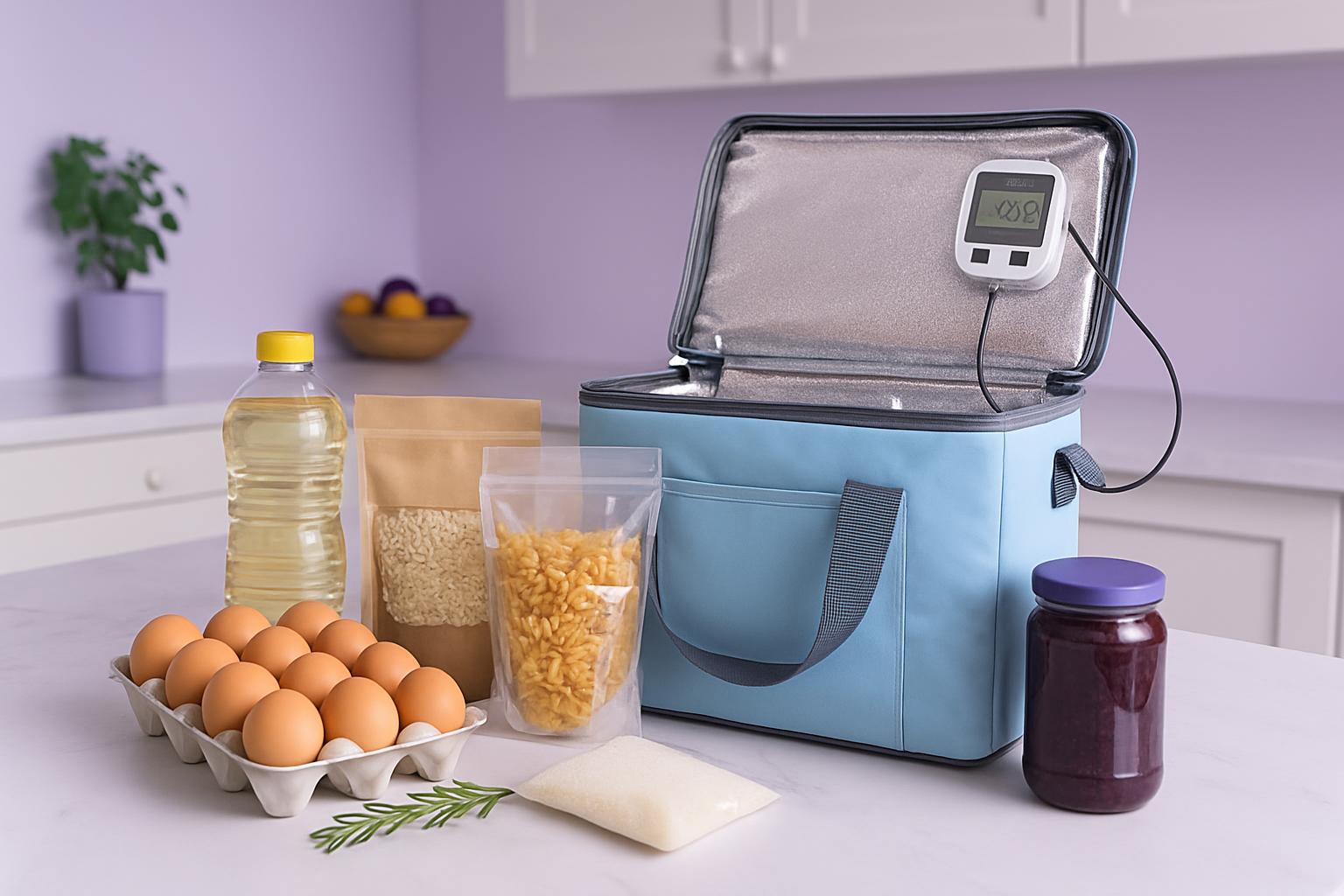
Temperature-sensitive pantry cues
When pantry SKUs need more than a cardboard box. If it needs cold-adjacent care, say so before the listing goes live.
Pre-listing red flag checks
Export and local pantry both trip on the same missing flag.
SA handling pressure points
Johannesburg stock can sit safely on shelf and still fail the trip if the carton traps heat after sealing. Durban moisture and Cape Town wind shifts matter when brittle snacks, chocolate, oils, or imported pantry lines travel through depots. Load shedding changes pack windows and cold-room discipline, so the listing must match the supplier's actual handling routine, not the ideal one.
Checklist
Start by locking the shortlist and supplier note in writing. 2) Attach the pack or compliance card before creative. 3) Pair this playbook with Food & Pantry Desk. 4) Keep a return or reorder script in the same folder. 5) Send a message through our contact form if you want a Rosebank team read.
Breakpoints before dispatch
Offline copies of the checklist help when power drops mid-scan. Skipping the boring card is how Monday firefights start.
Next desk to open
Open Food & Pantry Desk, scan related channels, and pull a matrix from stacks or resources. Projects under /projects show how desks ran similar briefs.
Rosebank listing review flow
We start with the product card, not the ad copy. The supplier note, storage instruction, batch detail, and courier restriction sit together so everyone reads the same risk picture. If a jam, chocolate slab, supplement, or nut butter needs shade, insulation, or a dispatch cut-off, that instruction belongs on the listing before images are approved.
Paper copies still matter when scanners die or the internet drops during review. A printed pack note lets the team verify storage words, carton warnings, and return handling without waiting for a system to wake up. That small habit prevents mismatched captions and warehouse arguments later.
Some SKUs need a second pass after the supplier confirms storage ranges or carton limits. Keep the checklist, courier notes, and rejection reasons in one folder, then use our contact form if you want a Rosebank read on the final draft.
Patterns from pantry launches
A common Gauteng miss is listing melt-prone goods as standard pantry because the shelf photo looks harmless. Coastal teams run into different trouble when tins sweat, labels lift, or outer cartons soften in humid holding areas. Both cases start with a missing handling flag long before the first return.
Marketplace buyers compare received condition with the exact wording on the product page. If the parcel arrives warm, oily, crushed, or separated, vague storage language becomes a claim problem very quickly. Weight, pack count, and carton type need to be honest across wholesale sheets, WhatsApp catalogues, and marketplace listings.
Trouble starts when marketing publishes first and operations adds warnings later. By then, courier exceptions, buyer complaints, and internal blame all point back to the missing storage note. It is cheaper to hold the listing than to explain spoiled or refused stock.
Keep this with Food & Pantry Desk. Keep both in the same folder as your margin worksheet and courier-class notes from stacks.
Cold-adjacent listing order
- Lock supplier, SKU, and storage note.
- Add pack card before photos.
- Match courier lane to heat risk.
- Write return script for damaged arrivals.
- Pause launch when MOQ and pack size clash.
These checks are plain admin, but they stop fragile pantry lines from being treated like ordinary dry goods. In South African summer runs, that distinction matters on the first dispatch, not after the complaint lands.