Playbooks
Trade-show follow-ups
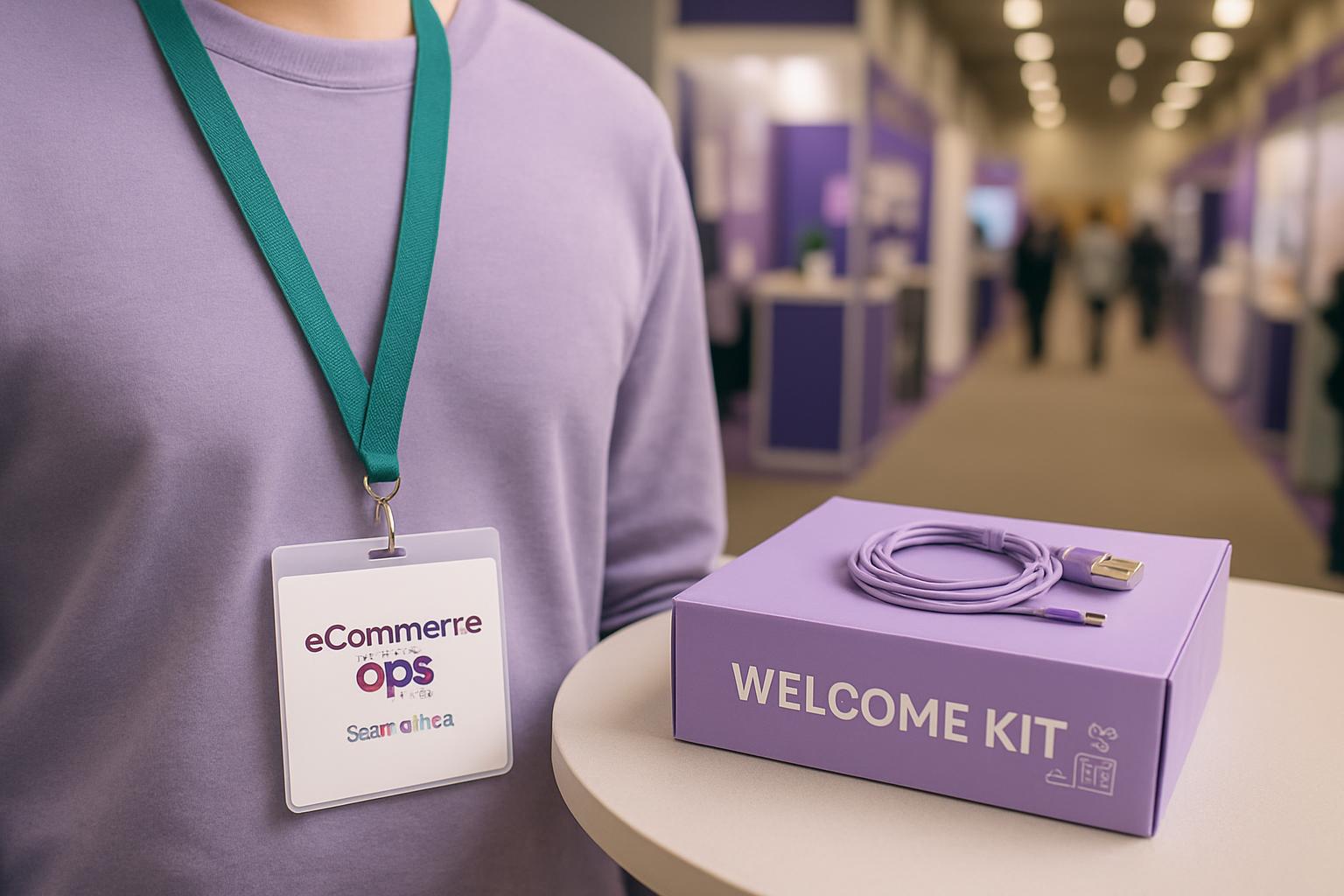
Sample kits that become shortlists, not clutter.
48-hour show debrief
Sample kits that become shortlists, not clutter. The show is the easy part. Follow-up in 48 hours is the work.
Post-stand follow-up routine
Photographable MOQ cards beat vague corridor promises.
SA venue and courier realities
Johannesburg expo follow-ups usually start with photos of price cards, cartons, and any MOQ sheet collected at the stand. Cape Town and Durban suppliers need packaging notes checked against coastal storage and line-haul handling before a seller lists anything fragile. Load shedding still affects call windows and warehouse cut-offs, so the first write-up should note backup numbers, paper cards, and the next verifiable stock date.
Checklist
Open with a written shortlist and supplier note before handling the next steps. 2) Attach the pack or compliance card before creative. 3) Pair this playbook with Trade-show kits. 4) Keep a return or reorder script in the same folder. 5) Send a message through our contact form if you want a Rosebank team read.
Misses after the exhibition
Paper backups matter when venue Wi-Fi dies. Skipping the boring card is how Monday firefights start.
After-show next actions
Open Trade-show kits, scan related channels, and pull a matrix from stacks or resources. Projects under /projects show how desks ran similar briefs.
Rosebank desk walkthrough
At Rosebank or in a supplier meeting room, the review starts with marked-up sample cards and the show notes from each stand. One person reads out the MOQ, lead time, and pack details while another checks whether the same facts appear on the supplier sheet. Any gap gets flagged before product photos, listings, or pricing are touched.
When venue Wi-Fi failed and notes came back incomplete, paper records still carry the review. A phone gallery, a stapled card, and one clear MOQ note are more useful than a polished deck with missing supplier facts.
Once the missing documents and sample notes are in place, use our contact form if you want a second pass on the shortlist. Include the stand name, category, and any MOQ or courier issue that changed after the expo.
Observations from recent show rounds
After a Gauteng expo, teams often push to list the fastest-moving samples first. For Cape Town and Durban routes, the follow-up pack needs moisture, carton, and courier notes before anyone treats the item as ready. Those checks matter even when the sample looked tidy under hall lighting.
Weight accuracy and legible labelling matter well beyond marketplace listings. A wholesale buyer, Instagram seller, or WhatsApp reseller will still compare the delivered carton against what the exhibitor said at the stand.
Trouble starts when samples move ahead before the supplier sheet is cleaned up. Then Monday brings mismatched MOQs, uncertain replenishment, and courier questions nobody assigned to one person.
Trade-show kits work well alongside this playbook. Keep both in the same folder as your margin worksheet and courier-class notes from stacks.
Follow-up order after the expo
- Sort cards into quote, sample, and hold.
- Match photos to MOQ, pack, and compliance notes.
- Confirm one route from supplier to customer.
- Write returns wording before any listing goes live.
- Escalate when stand talk and emailed terms differ.
Trade-show follow-up is mostly admin, checking, and saying no to vague promises. That discipline matters when supplier memory fades after the event and your team still needs a defendable shortlist.