Playbooks
WhatsApp catalogue cards
Reply scripts and cards that close without spam.
Card parts that must match
Reply scripts and cards that close without spam. A card without lead time is just a pretty price.
What goes on each card
Shared numbers need shared scripts. Two voices, one kit.
SA sending and stock realities
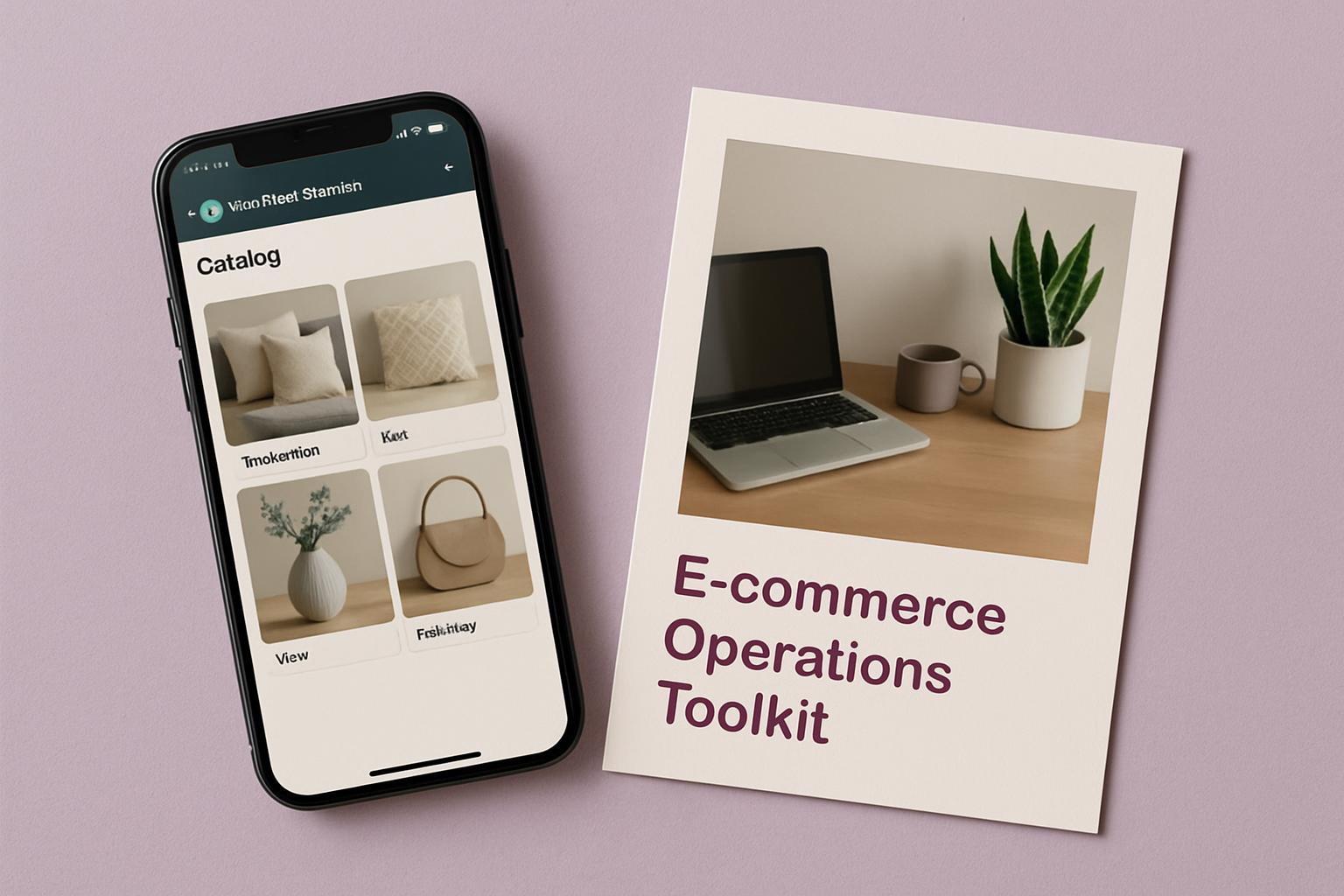
WhatsApp catalogue cards need more than a neat product photo. Each card should show the selling name, current stock position, lead time, courier fit, and one line on pack size or compliance where it matters. In Gauteng, sellers often push same day expectations, while Cape Town and Durban buyers ask sooner about moisture risk, outer cartons, and whether the item can travel with standard courier handling.
Checklist
Get the shortlist and supplier note written up before you do anything else. 2) Attach the pack or compliance card before creative. 3) Pair this playbook with WhatsApp selling. 4) Keep a return or reorder script in the same folder. 5) Send a message through our contact form if you want a Rosebank team read.
Breakpoints in chat selling
Escalate messy briefs to email. Chat is for calm answers. Skipping the boring card is how Monday firefights start.
After the card pack
Open WhatsApp selling, scan related channels, and pull a matrix from stacks or resources. Projects under /projects show how desks ran similar briefs.
How the card check happens
At Rosebank, the review starts with the actual WhatsApp card set, not a pitch deck. One person reads the product lines as a buyer would, while another checks lead time, pack detail, and courier fit against the shortlist. Any gap between the card and the supplier note gets marked before the cards go back into use.
Load shedding should not leave the team guessing which version is current. Keep a printable card sheet or shared export with SKU names, pricing date, and reorder notes visible. That way a shared number can still send the same facts when systems drop out.
Once the first draft cards are cleaned up, park the final set with margin notes and the reply scripts. If the supplier changes carton counts or variants, update the cards before you publish them again. Send a message through our contact form if you want a second review on the set.
What recent card sets exposed
On Johannesburg-heavy briefs, the weak spot is often lead time wording. Cards say in stock, but nobody states whether that means shelf stock, supplier access, or next inbound. For Cape Town and Durban routes, the missed detail is usually outer packaging and whether coastal humidity changes how the item should be wrapped.
Weight and dimensions belong on cards earlier than most teams expect. The minute a buyer asks for bundle pricing or courier options, vague size copy creates back-and-forth and margin leaks. WhatsApp is quick, but it still punishes bad carton assumptions.
Variant confusion causes more trouble than poor design. A colour tile or size label that does not match the supplier sheet leads to wrong picks, refund chats, and messy reorder messages. The fix is dull but effective: one naming rule across card, invoice note, and packing slip.
WhatsApp selling works well with this playbook. Keep both in the same folder as your margin worksheet and courier-class notes from stacks.
Build the card set in order
- List live SKUs and parked variants.
- Add lead time, pack detail, compliance note.
- Mark courier fit and bundle limits.
- Write reorder and return replies beside cards.
- Flag MOQ disputes before shared numbers go live.
A polished card set is not the goal on its own. The useful version is the one a team can send from a shared phone without changing the story on price, stock, or delivery expectations.