Rosebank
Collect-point calm for a homeware DTC.
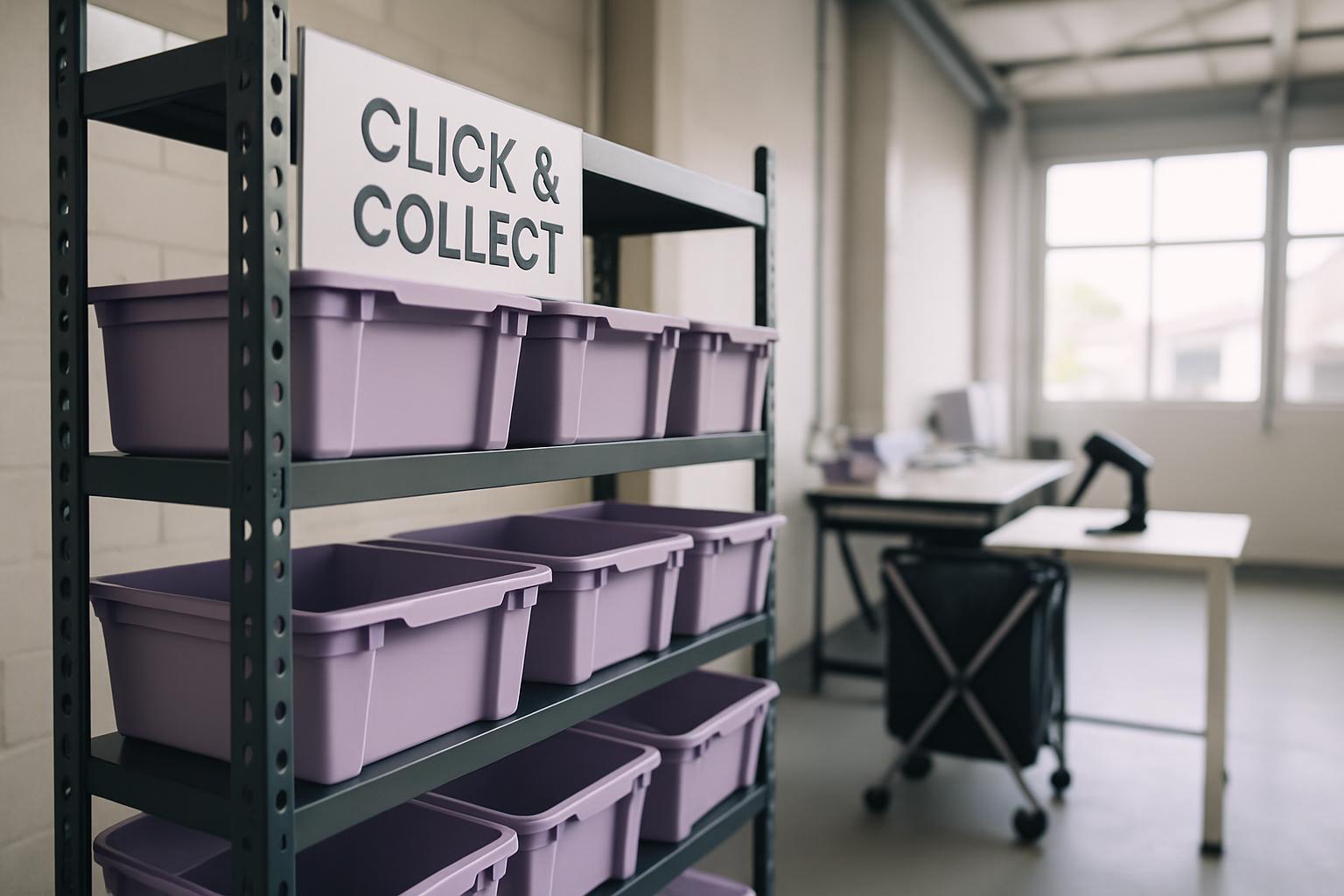
Collect-point calm for a homeware DTC. The team kept the shortlist tight and wrote pack notes before creative sprawled.
Work sat in Rosebank, with Rosebank available for a second review when compliance or MOQ questions got sticky.
This pilot needed collection handover to work for homeware, not just last-mile dispatch. Store staff needed carton labels, buyer names, and pickup checks that still worked when load-shedding stopped printers or phones. Rosebank traffic patterns and after-work collection habits shaped the handover notes more than generic ecommerce copy.
The team signed the supplier shortlist before design assets spread into too many SKUs. After that, pack notes covered shelf hold, carton markings, collection ID checks, and the weight detail buyers expect when comparing options online. Nothing moved to launch review without those basics written down.
Packaging changed by destination, even within one pilot. Coastal moisture risk and dry Gauteng storage needed different wraps, inserts, or sealing choices, despite the spreadsheet showing the same homeware range.
Escalations stayed close to the operating detail rather than floating in general project chat. The contact form remained part of the handover route so compliance queries, MOQ concerns, or missed collection issues had a clear weekday owner.
Use Channels to compare where click and collect sits against marketplace, wholesale, and direct checkout for bulky homeware. Playbooks covers the handoff points that mattered here, from pack notes and weight checks to buyer collection messaging. If your shortlist is narrow and the collection model needs testing, Brief a similar programme with the range, collection area, and timing.
Signing off the shortlist before creative reduced rework across the pilot. Once collection labels, dimensions, and hold conditions were fixed, the rest of the buyer journey had fewer contradictions.
Local notes for Rosebank mattered more than generic national copy. Couriers and buyers both live somewhere specific.
Printed check sheets earned their place whenever power cuts interrupted packing or photo windows. A collection programme still needs paper backups when the screen version cannot be reached at the exact moment stock is being checked.
After a failed or missed pickup, one clear answer mattered more than long status summaries. Buyers collecting homeware often need one plain answer on location, packaging, or collection timing before the order turns into a return.
Want a similar programme? Use our contact form with your shortlist and timing.
Power cuts interrupted at least one photo or pack window on most briefs like this. Offline checklists kept people moving.
Coastal humidity and Gauteng dry stores needed different pack lines even when the SKU list looked identical on a spreadsheet.
Takealot-class expectations around weight honesty showed up in buyer emails whether the channel was marketplace or wholesale.
We kept our contact form on the escalation path so weekend surprises had a weekday owner.
Verified Google reviews