Resource
Map SKUs to marketplace, DTC, WhatsApp, and wholesale.
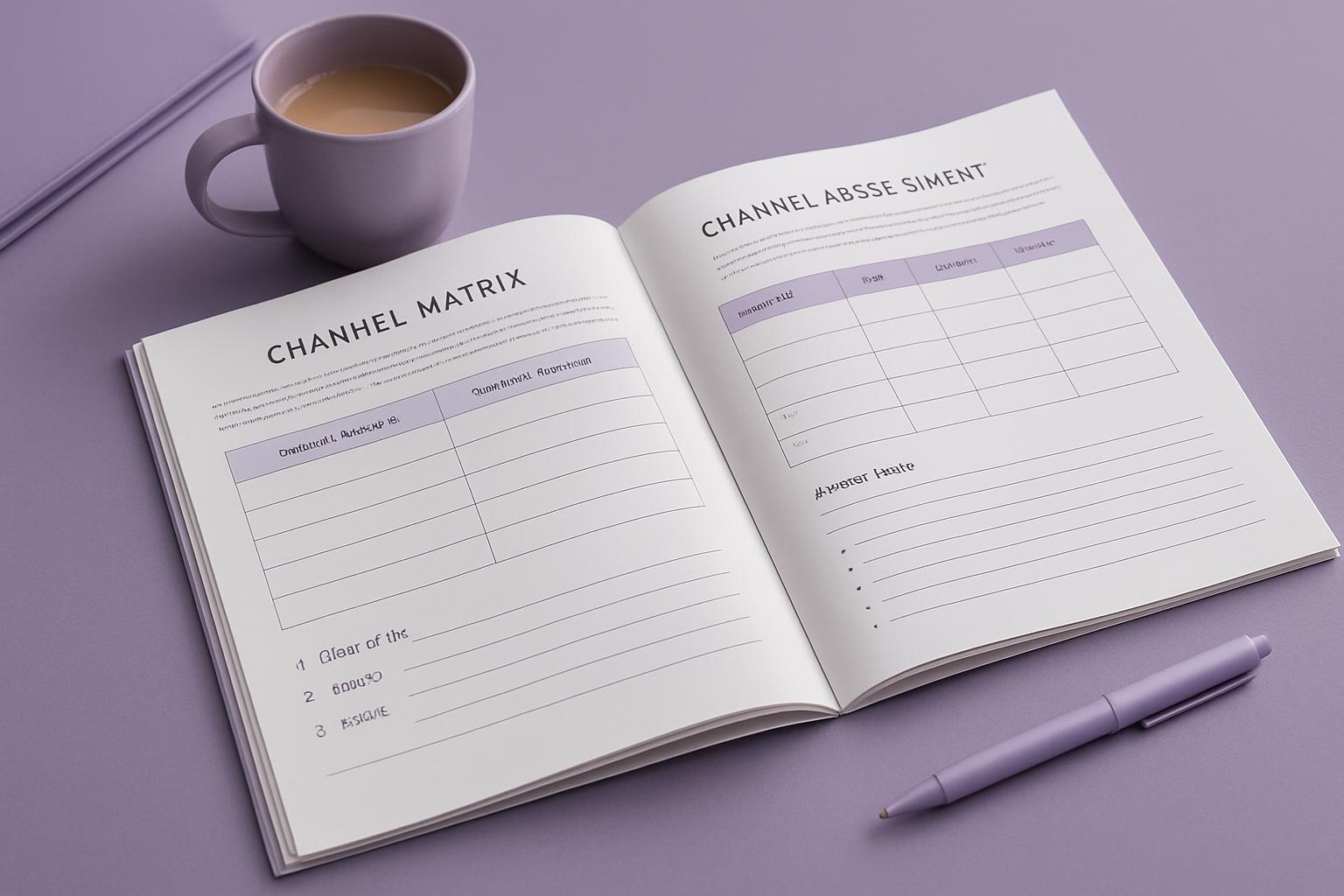
Map SKUs to marketplace, DTC, WhatsApp, and wholesale. It is written for South African seller teams who need something they can defend in a supplier review, not a generic ebook.
This workbook is for deciding where each product should sell first. It helps a South African team compare marketplace fit, direct store economics, WhatsApp handling, and wholesale viability on one page.
Keep a printed copy in the meeting file. Load shedding, weak fibre, and patchy office WiFi still interrupt reviews, while paper lets the discussion continue with actual numbers in front of everyone.
Complete the fields that change margin, service level, return risk, or dispatch method. Mark the review date and assign one person to maintain it, so the next supplier meeting is not working off stale assumptions.
Use the workbook alongside your supplier shortlist and channel plan. When catalogue limits, courier rules, and fees sit in separate files, teams often approve a SKU that only works on paper.
If your range needs category-specific fields, use the contact form. You can also line it up with playbooks and stacks so channel decisions, supplier rules, and operating notes stay consistent.
Map SKUs to marketplace, DTC, WhatsApp, and wholesale. Date it. Name an owner. Otherwise it becomes a polite PDF nobody trusts.
Review any entry that affects selling price, shipping method, customer expectation, or compliance handling. Decorative details can wait, but anything that shifts margin or service risk should be confirmed before the file is shared.
Bring a hard copy to supplier or ops discussions. South African teams still lose time to power cuts and dropped connections, especially when someone needs to verify courier bands or packaging notes on the spot.
The workbook works best when the surrounding documents agree with it. One channel view, one supplier view, and one operating view are easier to defend than a folder full of conflicting versions.
Open the wider resource set here: Playbooks, Stacks, Channels, Suppliers, or Send us a message when the workbook needs live supplier context.
Take one actual product and score it across Takealot-type marketplace demands, your own site, WhatsApp ordering, and wholesale case movement. If the team cannot agree on fulfilment method, return pattern, or packaging overhead, the workbook needs tighter inputs.
Use South African fee structures, courier realities, and customer service expectations when filling it in. A template copied from another country can hide payment costs, suburb-to-outlying delivery gaps, and reverse logistics pain.
If a current supplier email contradicts the workbook, update the workbook after confirming the live position. Old assumptions around MOQ, stock depth, or handling time should not survive just because they were typed into a PDF last month.
Categories with hazmat, cold chain, or age-band rules need extra columns in the workbook for storage limits, carrier acceptance, and proof checks. Request that version through our contact form.
Quick note
When one teammate says a SKU belongs on marketplace and another insists on WhatsApp only, pause the listing work and write down the reasons in one matrix. Disagreement around MOQ, carton size, returns, or courier class usually points to missing operating facts rather than strategy. Use the contact form if you want a second review of that matrix before you present it internally.