Resource
Hazmat and weight notes for common SA couriers.
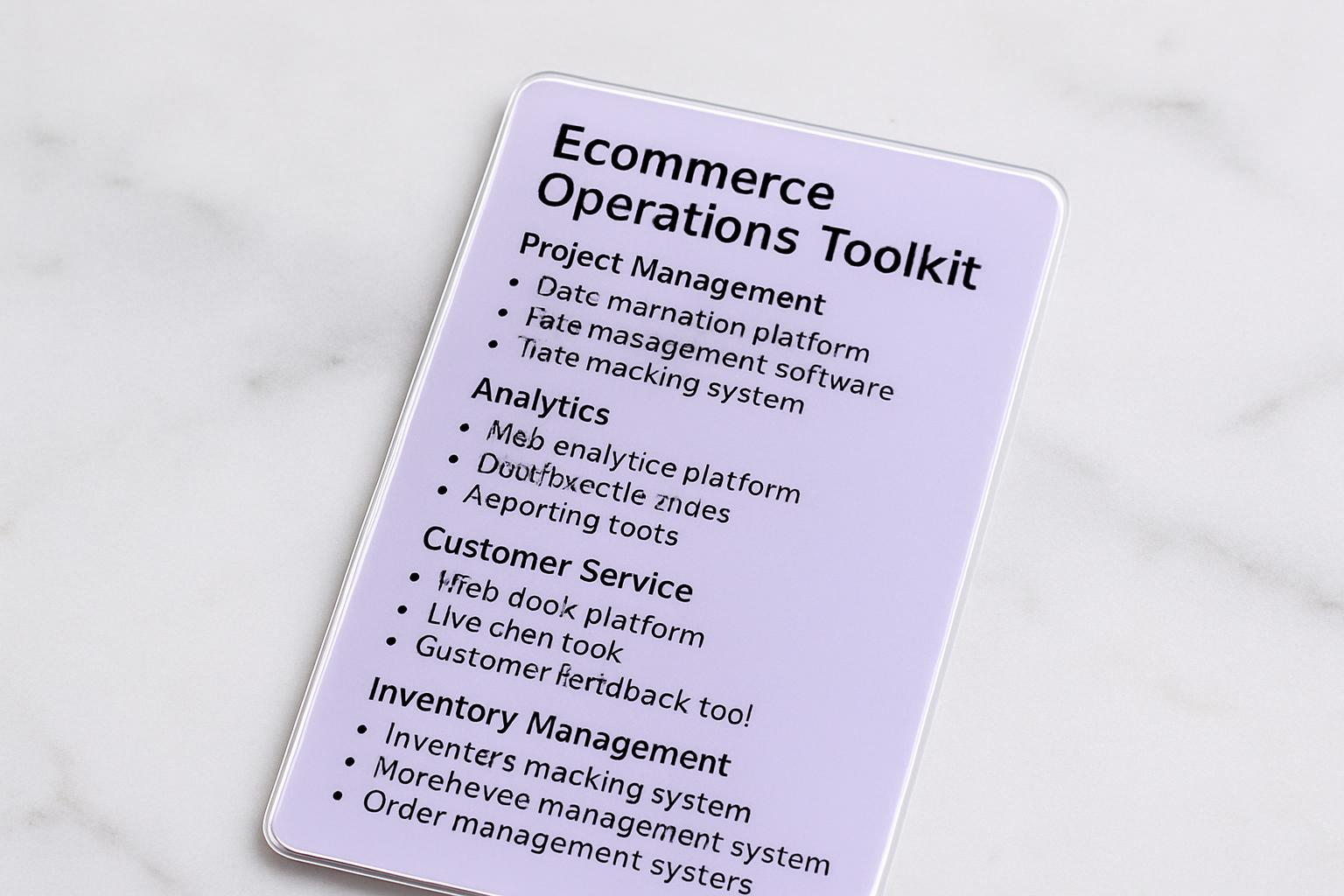
Hazmat and weight notes for common SA couriers. It is written for South African seller teams who need something they can defend in a supplier review, not a generic ebook.
Use this sheet when a product looks simple but dispatch rules are not. It helps your team record weight bands, volumetric triggers, and hazard flags before a supplier listing goes live.
Keep a printed copy near the packing bench and in the buying folder. Load shedding and weak office Wi-Fi still interrupt reviews, while a marked-up hard copy keeps the discussion moving.
Enter the figures that change rate cards, packaging choice, or risk handling. Add the review date, note who updated it, and mark any class that still needs courier confirmation.
Keep it beside your supplier notes, channel rules, and returns process. If parcel limits on one document clash with the others, the mistake usually shows up in margin loss or failed collections.
If your range includes awkward parcels or restricted goods, ask through our contact form for a version that sits alongside your playbooks and stacks.
Hazmat and weight notes for common SA couriers. Date it. Name an owner. Otherwise it becomes a polite PDF nobody trusts.
Review every line that affects surcharges, handover acceptance, or claims. Decorative notes can wait, but dimensions, dangerous goods wording, and packaging assumptions cannot.
Print the current version and mark courier exceptions in pen during meetings. Rosebank desks are not immune to router drop-offs, and warehouse calls do not pause because a tab failed to load.
Keep this resource aligned with the operating playbook and the SKU stack. One agreed set of limits is easier to defend than scattered spreadsheets with different parcel assumptions.
Read next: Playbooks · Stacks · Channels · Suppliers · Send us a message
Take one actual item from your catalogue and run it through the sheet from packed dimensions to courier class. If a new ops hire cannot classify it without asking three follow-up questions, the sheet still needs work.
Use South African rate logic, packaging realities, and collection conditions. A template copied from a US seller often misses volumetric pain points and restricted-item wording used here.
When a courier account manager updates a limit or exclusion, change the sheet the same day. Old PDFs create expensive arguments once a parcel is refused or repriced after collection.
Categories with aerosols, lithium batteries, chilled goods, or age gates often need extra courier notes. Ask through our contact form if your sheet needs those exceptions built in.
Quick note
If the team disagrees on packed weight, outer carton size, or whether a product counts as restricted, pause the launch and settle the card first. Courier class errors rarely look dramatic on day one, then they show up later in write-offs, customer complaints, and rejected collections. Use our contact form when you want another set of eyes on that review.