DIY
Small fixings, hand tools and repair kits need courier checks before they go live. DIY & Hardware Cell flags paint, sealants, blades and other restricted lines before packing starts.
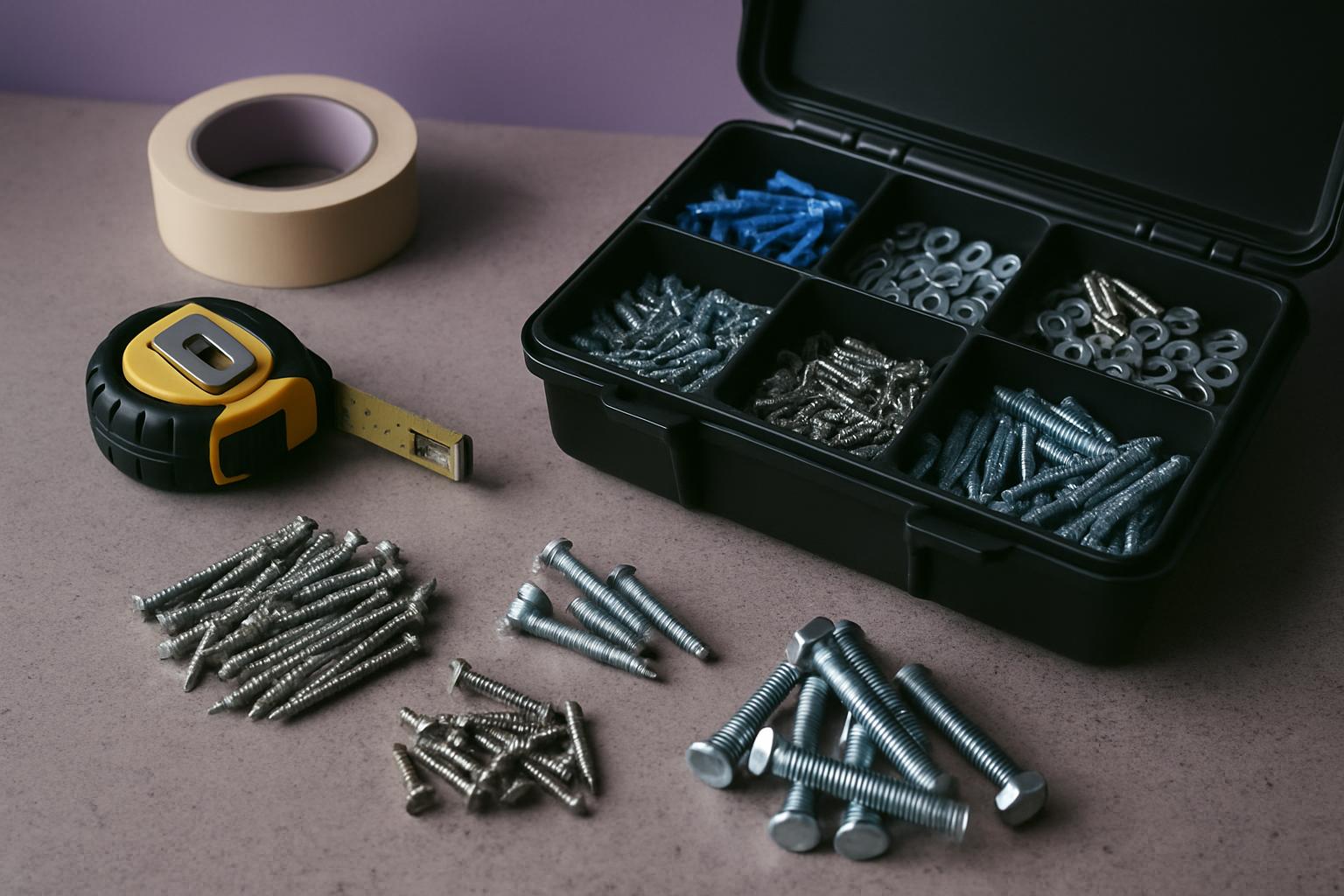
Hardware SKUs trip courier rules. DIY Cell screens hazmat before you pack.
Hazmat screens before pallet rates.
Use the DIY trade counter to shape ranges and pack rules first. Then move through Sourcing →, Fulfilment →, and Samples → with carton sizes, unit counts and courier limits kept in view.
| Focus | DIY & hardware |
|---|---|
| Hazmat | Screened |
| BOM | Kit lists |
| Courier | Class notes |
| Supplier | Germiston |
How the team works
This cell is built for online sellers listing screws, tapes, brackets, locks, adhesives and mixed repair kits. Each supplier card needs usable carton data, sellable unit quantities and a clear note on whether items are better sold loose, bundled or as a kit.
Wholesale cartons need clear unit counts buyers can photograph.
Germiston supply works well when stock sheets match what can actually be packed for courier networks. Heavy metal goods, liquids and sharp components need separate handling notes, and coastal consignments need extra attention where rust, damp cartons or label failure can creep in.
Marketplace listings for hardware fall apart when mass, dimensions or pack contents are vague. A box of anchors, a tube of silicone and a door closer each travel differently, so the listing copy must match the warehouse reality.
Mixed answers on pack size create trouble fast in this category. If one person says inner packs and another quotes full cartons, the range needs a written unit rule before it reaches Takealot, a webshop or WhatsApp orders.
SA operating notes
Rosebank usually sees the commercial side first, with margin, listing shape and customer fit leading the brief. Gauteng movement is often easier for dense hardware lines, while Cape Town and Durban bring more scrutiny on corrosion, damp storage and what couriers will accept.
Pretoria trade buyers often want straightforward specification detail for locks, fittings and installation parts. In the Cape Winelands, home improvement ranges can lean decorative, but adhesives, sealers and treatment products still need careful transport and storage notes.
Nothing here is fancy paperwork for its own sake. The aim is a supplier card that survives handover between sales, packing and customer support without changing the meaning of the product.
Operating checklist
Typical breakdowns include mixed unit counts, courier classes guessed from memory, kit contents changing without new photos, and bulky items priced like light parcels. Hardware returns also rise when fasteners, fittings or consumables are named loosely on the product page.
Compare hardware-friendly supplier stacks, open the paired playbooks, and review related projects for listing and packing patterns. The files under /resources help when you need checklists for kit BOMs, courier classes or carton photo records.
Related pages
Verified Google reviews
For the DIY & Hardware Cell at Rosebank Trade Studio, send your query through our contact form.