Playbooks
Export docs for SADC lanes
HS cues and packs for neighbouring markets.
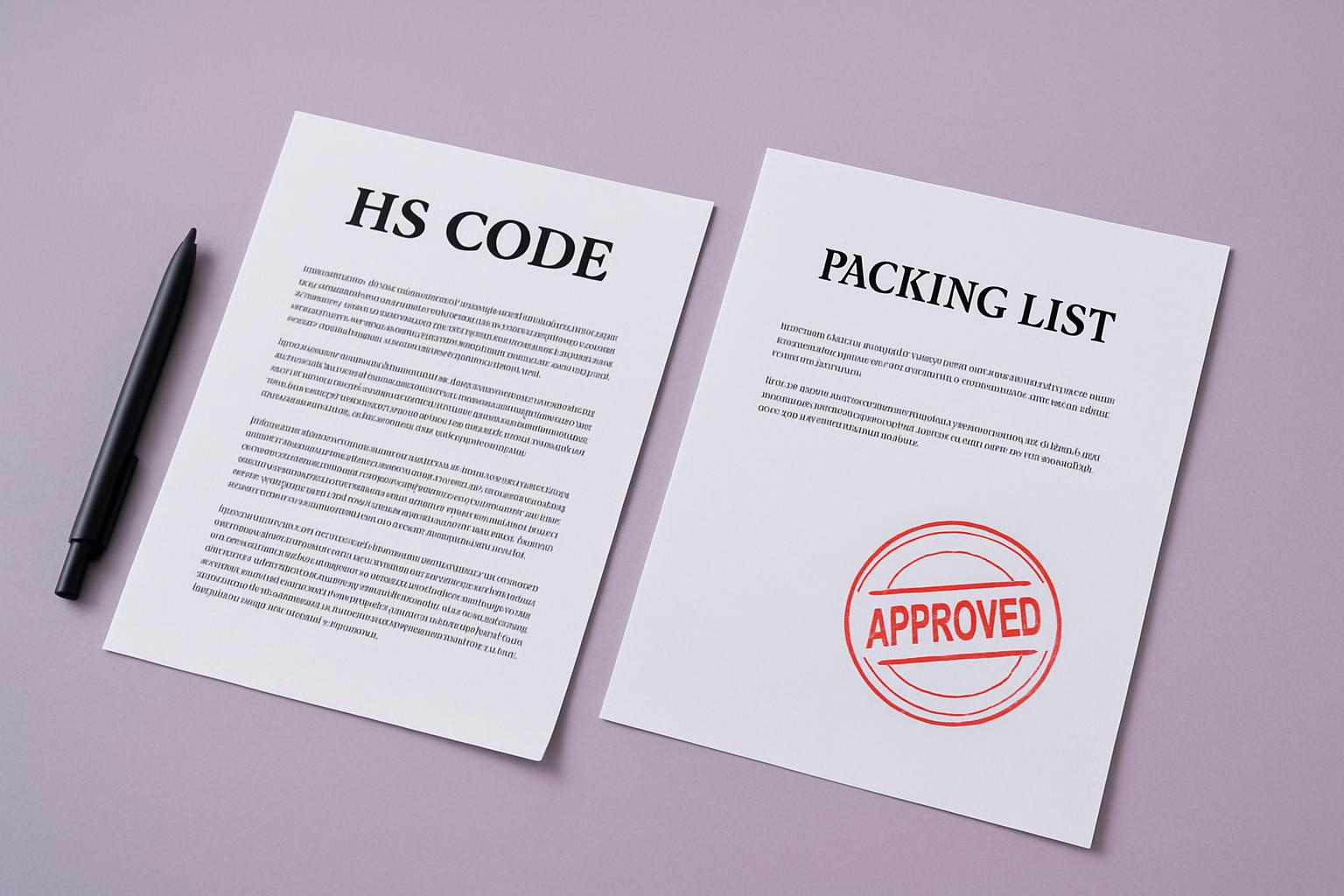
SADC border pack essentials
HS cues and packs for neighbouring markets. Border questions are expensive when the supplier never built a doc pack.
HS cues by product family
HS cues per family beat one generic invoice every time.
SA dispatch realities for exports
Johannesburg dispatch points often feed Botswana, Namibia, Lesotho, Eswatini, Zambia, Zimbabwe, and Mozambique with the same SKU wearing different document packs. A basic export file usually needs a commercial invoice, packing list, supplier details, consignee details, and HS cues that fit the product family rather than a vague catalogue name. For Durban and Cape Town departures, carton condition, moisture exposure, and outer label legibility matter because paperwork is checked alongside physical packs. Load shedding still affects print runs and pick accuracy, so desks keep signed copies, editable masters, and courier references together.
Checklist
Get the shortlist and supplier note confirmed in writing at the outset. 2) Attach the pack or compliance card before creative. 3) Pair this playbook with Export-ready lanes. 4) Keep a return or reorder script in the same folder. 5) Send a message through our contact form if you want a Rosebank team read.
Where SADC paperwork breaks
Pilot narrow. Scale after a clean run, not after a hopeful forecast. Skipping the boring card is how Monday firefights start.
Next reads for border packs
Open Export-ready lanes, scan related channels, and pull a matrix from stacks or resources. Projects under /projects show how desks ran similar briefs.
Rosebank document pack review
At Rosebank, a doc review starts with the route, the importer, and the exact goods description the supplier is willing to sign. Then the desk checks whether the invoice, packing list, labels, and HS wording tell one consistent story across the full pack.
When power drops during a session, the markup continues on printed copies and carton photos. Border queries do not wait for a nicer deck, so the useful outcome is a pack someone can present without guessing.
Most teams leave with edits to make on product names, carton counts, or importer fields. Once those fixes are complete, send the updated pack through our contact form for another read.
Notes from neighbouring-market briefs
Botswana and Namibia runs often expose loose product descriptions that looked harmless in a local marketplace listing. Zimbabwe and Zambia briefs tend to need tighter carton counts, clearer consignee details, and a better record of what sits in each pack.
Weight honesty and outer-label clarity matter beyond Takealot because border staff and receiving teams compare paperwork to what lands on the vehicle. If the carton says one thing and the invoice suggests another, the lane slows down fast.
Trouble usually starts when marketing names are copied into export paperwork without a proper goods description. Another repeat issue is launching a neighbouring-market test before the supplier has signed off the document set and return script.
Pair this with Export-ready lanes. Keep both in the same folder as your margin worksheet and courier-class notes from stacks.
Document flow before first run
- List route, importer, and product family first.
- Match invoice wording to carton labels.
- Add HS cues for each SKU group.
- Store return and reorder wording together.
- Pause if supplier and seller quote different MOQs.
This admin work is plain, but it prevents border arguments, relabelling costs, and avoidable returns. SADC lanes reward tidy packs, signed wording, and one version of the truth across every page.