Playbooks
Fabric notes that cut returns
Fashion basics with care labels that match photos.
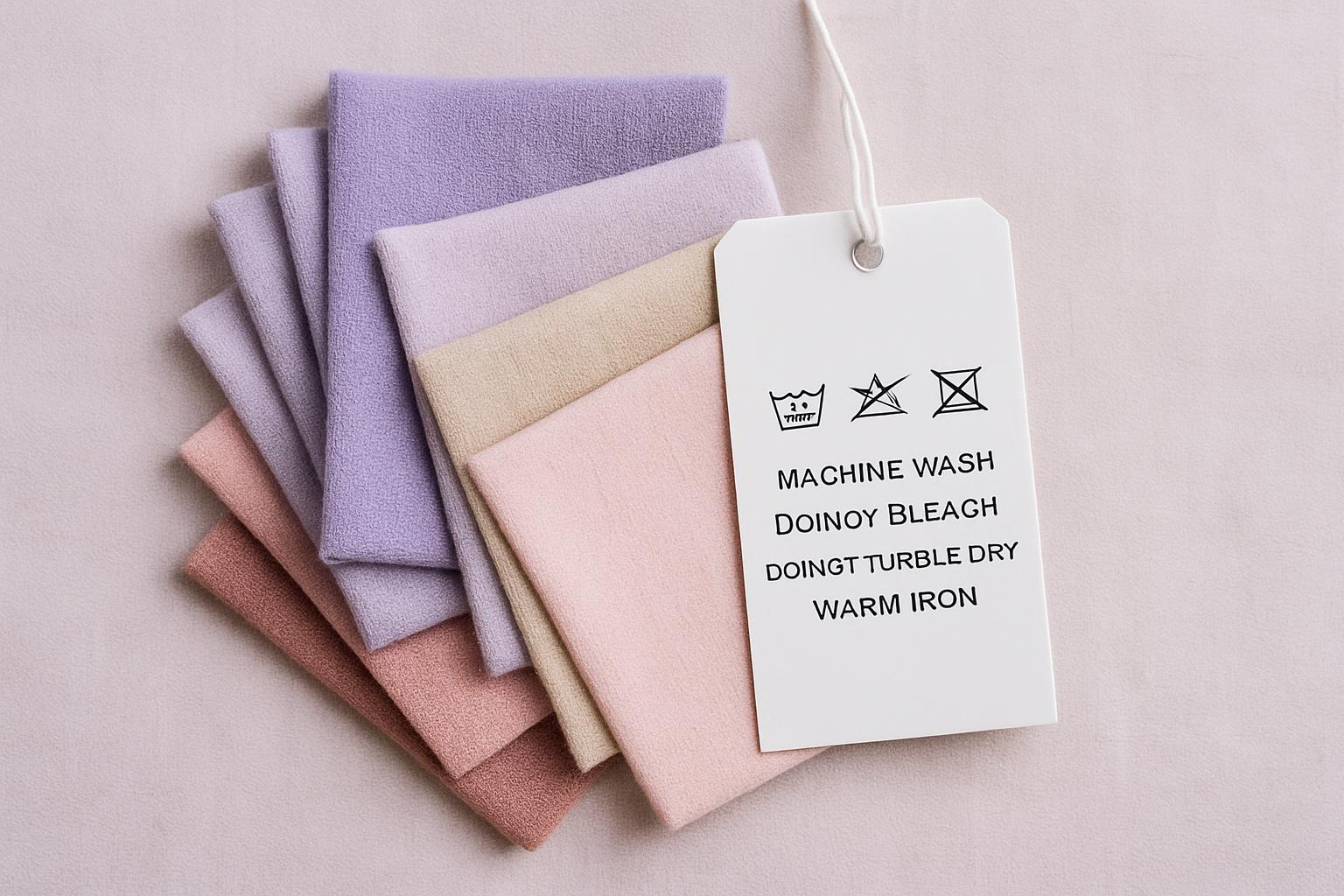
Fabric card before photo shoot
Fashion basics with care labels that match photos. Fabric notes belong on the card, not in a suppliers head.
Notes that stop wardrobe surprises
Pop-up samples should match the reorder batch. Different hand-feel, different return rate.
SA wash and climate checks
Johannesburg basics can photograph one way and land with a different hand-feel after a dry Highveld run. Cape Town and Durban stock needs fibre and wash notes that account for damp storage, slower drying, and salt-air handling. Care wording should match the sewn label, the product card, and the image set before any marketplace upload. Lightweight knits and brushed fleece need separate shrink and pilling comments when batches come from different mills.
Checklist
Lock in the shortlist and supplier note on paper before you move ahead. 2) Attach the pack or compliance card before creative. 3) Pair this playbook with Fashion Basics Rail. 4) Keep a return or reorder script in the same folder. 5) Send a message through our contact form if you want a Rosebank team read.
Returns triggered by missing fabric cues
Basics rails look simple until wash cues go missing. Skipping the boring card is how Monday firefights start.
Next file to keep beside this
Open Fashion Basics Rail, scan related channels, and pull a matrix from stacks or resources. Projects under /projects show how desks ran similar briefs.
Rosebank fabric note walk-through
At Rosebank HQ, the review starts with the garment, not the mock-up. We compare the supplier description, the care label, and the photo captions line by line until the fabric story matches across all three.
If samples and reorder stock differ, both pieces stay on the table. That side-by-side check usually exposes stretch, thickness, or finish changes that cause avoidable returns once customers reorder by memory.
Keep a marked-up card in the folder after the session. Use our contact form if you want another pass once labels, images, and supplier notes line up.
Recent fashion desk snags
One common brief is a basics tee shot from a soft sample, then fulfilled from a firmer bulk batch from Gauteng. That gap needs plain wording on weight, stretch, and whether the finish relaxes after the first wash.
Customers buying through marketplaces and WhatsApp both compare fabric claims to the parcel in hand. A vague note like cotton blend says too little when the item is ribbed, brushed, sheer, or heat-retaining.
Another miss happens when the image shows a draped fit but the card skips stiffness or cling. Returns then arrive as fit complaints even though the real issue was fabric behaviour left off the listing.
Keep this with Fashion Basics Rail. Keep both in the same folder as your margin worksheet and courier-class notes from stacks.
Fabric-note order for basics
- Record fibre, weight, stretch, and finish.
- Match care label wording to product copy.
- Flag batch changes before creative goes live.
- Add shrink, fade, and pilling warnings.
- Save return replies for fabric expectation disputes.
These notes are plain admin, but they matter when a black tee, vest, or hoodie is sold from photos alone. In apparel, a missing line about feel or wash care can cost more than the margin worksheet predicted.