Fashion
Core tees, vests and leggings need fabric detail that survives the jump from sample rail to product page. Fashion Basics Rail centres the notes buyers ask for first: fibre blend, stretch, opacity and wash care.
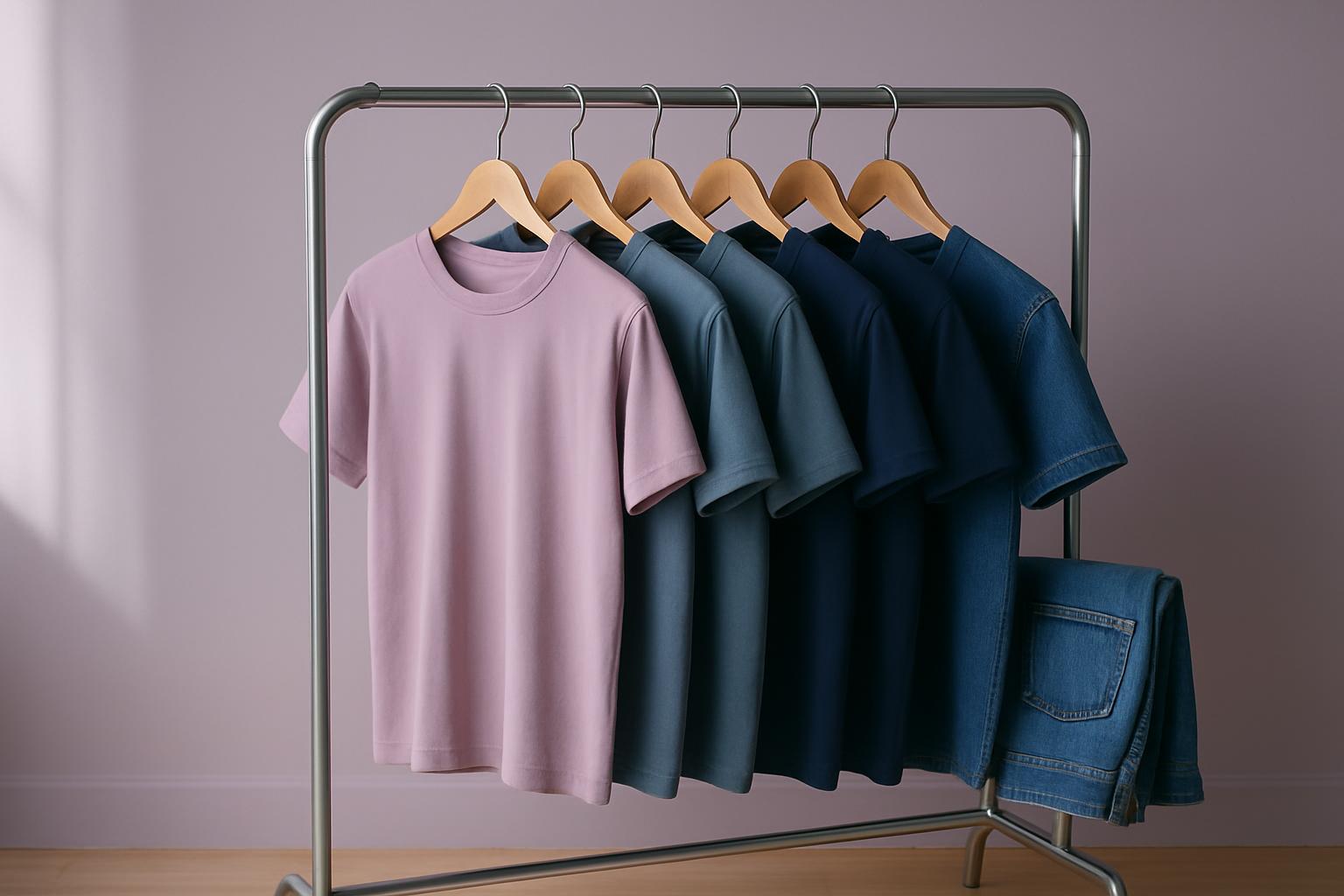
Fashion returns spike without fabric honesty. Basics Rail keeps photos and care labels aligned.
Fabric notes travel with samples and reorders.
Use Sourcing → to compare local basics suppliers, check Fulfilment → for pack-out starting points, and keep Samples → close when fit, hand feel and colour consistency still need checking.
| Focus | Fashion basics |
|---|---|
| Fabric | Noted |
| Care | Labels |
| Photos | Return-ready |
| Supplier | Cape Town |
How the team works
Put cut, fabrication, colour carry-over and care wording on one working card before the first listing goes live.
Pop-up batches should match what you can restock.
Cape Town supply works best when the stock file reflects what can be repeated, not only what photographed well last month. Add shrinkage, shade variance and ironing requirements to the pick notes, especially when stores and online orders share the same units. Load shedding planning matters if relabelling or steaming happens before dispatch.
Clear garment labelling matters whether the item goes to a marketplace customer, a boutique reseller or a WhatsApp order. A basic crew neck still gets returned when the weight, fit or fabric feel was described too loosely.
Keep one written answer for pack ratio, minimum repeat and sample approval. When sales, ops and finance each describe the range differently, reorders become guesswork and customer messaging slips.
SA operating notes
Rosebank teams usually start with sell-through and returns, while Midrand conversations lean toward packaging discipline and marketplace readiness. Cape Town adds fabric behaviour to the discussion because knit basics can react differently in storage and transit near the coast. Durban lanes also make moisture protection worth noting on carton prep.
Pretoria wholesale buyers often want dependable size runs and simple replenishment rules. Stellenbosch boutiques tend to care more about handle, finish and whether white garments stay presentable after transport and fitting-room use.
These checks are ordinary for clothing operations, but they need to be written down. A supplier card with fit notes, label wording and restock limits holds up better during staff changes.
Operating checklist
Typical slips include calling a thin white tee opaque, uploading photos from an older batch, mixing fitted and relaxed measurements, and treating a once-off fabric as a permanent line. Basics look simple until the returns report says otherwise.
Compare stacks for adjacent supplier groupings, then open the paired playbooks for channel-specific handling. The linked projects show how teams structure launch notes, and /resources includes working templates for product cards, checksheets and handover docs.
Related pages
Verified Google reviews
Queries about this supplier page can go through our contact form. Mention the Rosebank trade desk when the enquiry relates to fashion basics, sample checks or fulfilment setup.