Midrand
Sample kits that became a launch shortlist.

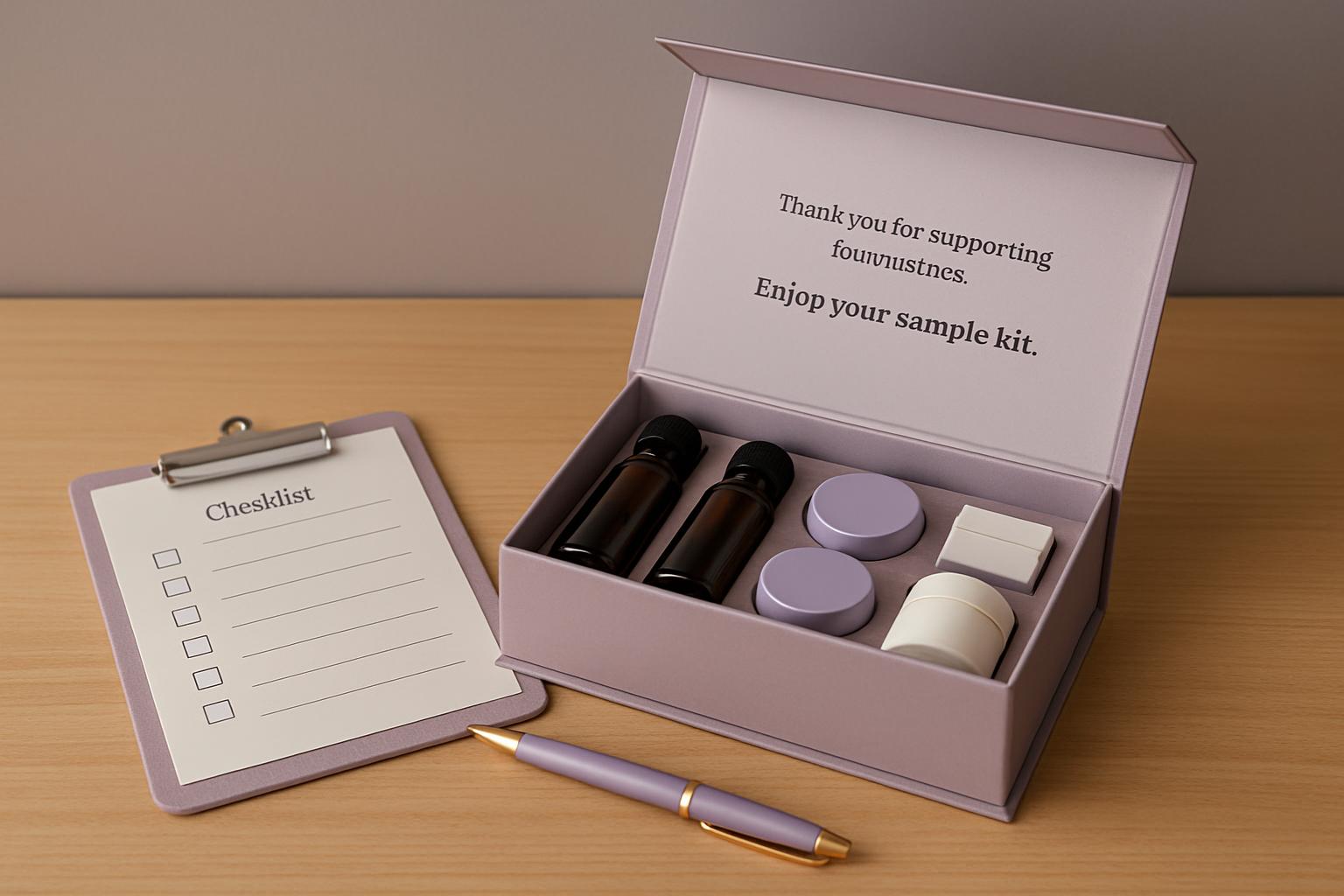
Sample kits that became a launch shortlist. The team kept the shortlist tight and wrote pack notes before creative sprawled.
Work sat in Midrand, with Rosebank available for a second review when compliance or MOQ questions got sticky.
Load-shedding hit during sample prep and image checks often enough to shape the process. Printed pick lists and saved photo references kept the shortlist moving when screens, printers, or studio lights dropped out.
The first pass cut the catalogue down to items that could travel well and be checked fast by buyers. After that, each shortlisted SKU got weight notes, compliance flags, and pack instructions before any expanded creative work started. Rosebank stayed available when second-look questions came up around labels or order quantities.
Packing decisions changed by destination, even with the same product list. Coastal humidity needed different storage and sealing choices from Gauteng's dry conditions, so those details sat on the same card as the sample reference and courier notes.
Post-show follow-up worked best when the sample record matched the fulfilment record. Shared cards, direct email trails, and the contact form kept buyer questions tied to the exact kit that had been shown.
See Channels, compare Playbooks, or Brief a similar programme when this kind of shortlist needs a sales-channel fit.
Creative work moved faster once the supplier list was fixed and the sample kits had pack notes attached. When design starts before the shortlist settles, captions, weights, and carton assumptions usually need another pass.
Local notes for Midrand mattered more than generic national copy. Couriers and buyers both live somewhere specific.
Printed check pages earned their place whenever power cuts hit during prep. A paper trail for weights, labels, and carton contents meant the team could keep checking stock without waiting on devices or shared drives.
Buyer interest from a trade show cooled quickly if the sample details were not captured properly. Notes taken against the exact kit, with pack and channel context, gave the supplier a usable next step instead of vague stand chatter.
If you are assembling a trade-show range, send the sample list, venues, and packing constraints through our contact form.
Power cuts interrupted at least one photo or pack window on most briefs like this. Offline checklists kept people moving.
Coastal humidity and Gauteng dry stores needed different pack lines even when the SKU list looked identical on a spreadsheet.
Takealot-class expectations around weight honesty showed up in buyer emails whether the channel was marketplace or wholesale.
We kept our contact form on the escalation path so weekend surprises had a weekday owner.
Verified Google reviews