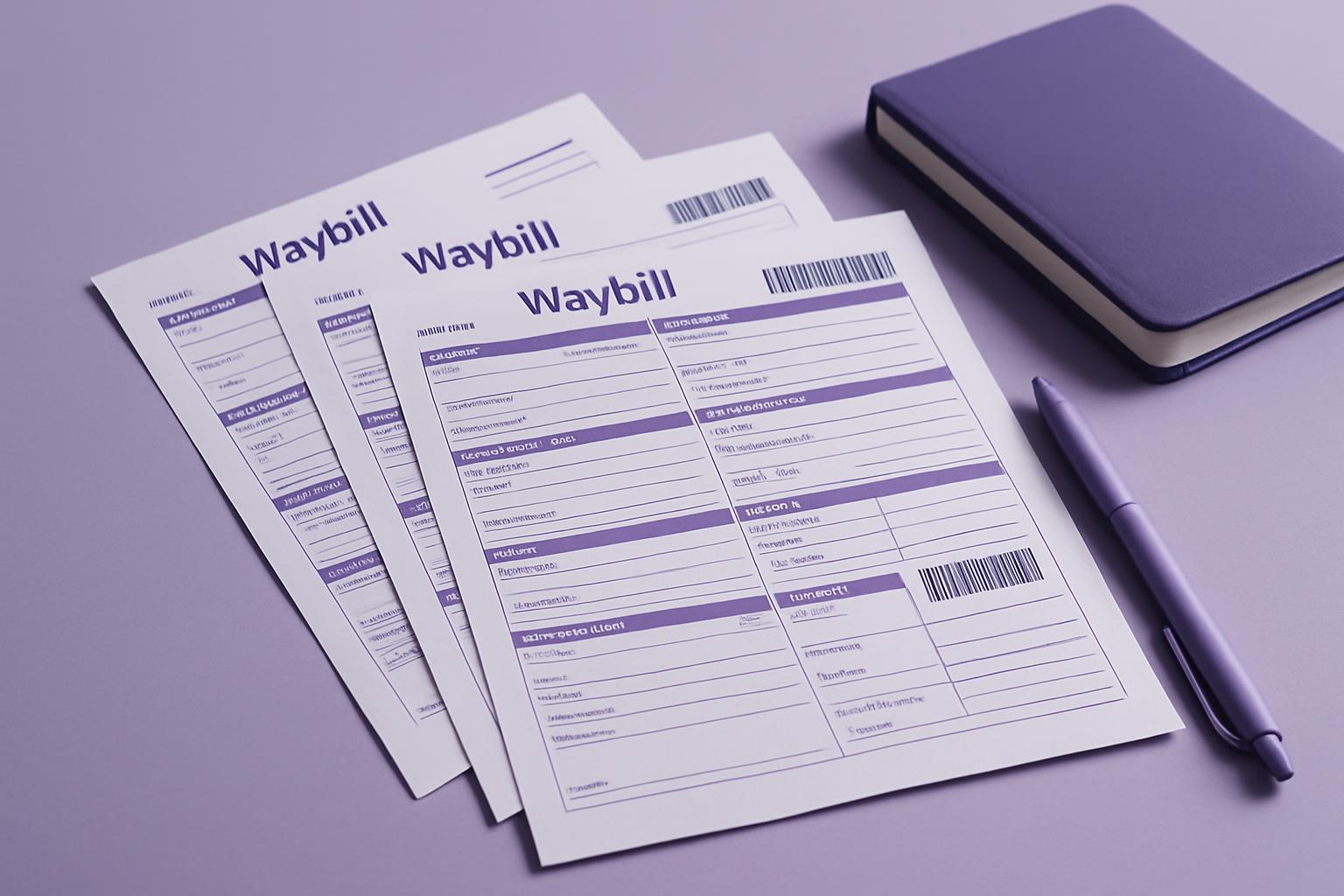
Hazmat, weight, and zone notes for SA couriers. We keep it on one page sellers can print or share without a login maze.
Flag the checks that usually decide whether a parcel moves as standard freight, manual quote, or no-go stock. Lithium batteries, aerosols, bulky cartons, remote delivery zones, and volumetric surprises should be picked up before a product goes live.
Rosebank teams usually mark up weight breaks and outlying area flags during listing reviews. Cape Town and Durban sellers often add moisture-sensitive packaging notes, because taped seams and labels can fail after sea air storage or wet van transfers.
During load-shedding or a courier portal outage, the printed sheet still lets a team check class limits, surcharges, and excluded goods at the packing bench. A dated photo in the project folder gives one reference point when cartons, labels, and quoted bands need to match after power returns.
Change the sheet when surcharge tables, dangerous goods rules, or volumetric formulas shift. Small edits with a clear date prevent old bands and zone assumptions from creeping into new listings.
Cross-check the matching guidance in FAQ, resources, and suppliers before updating a product sheet or courier rule.
Hazmat, weight, and zone notes for SA couriers. Owners matter. An orphaned stack becomes wallpaper real fast.
Date every edit and keep the replaced PDF in an offline folder. Courier class notes are often needed during disputes over surcharges, refused freight, or a warehouse picking the wrong carton size.
Rosebank teams often mark up a hard copy before weekly ops checks, especially where volumetric breaks and outlying area flags keep shifting. Coastal teams may add notes on salt-air storage, carton softening, or label adhesion, then fold those changes back into the next clean PDF.
Match each note to the live supplier page and the selling channel where the SKU appears. A Takealot listing, a Shopify checkout, and a warehouse pick face must all point to the same weight band and restriction wording.
At review time, someone checks the SKU against packed dimensions, not supplier catalogue claims alone. The notes are then marked with any manual-handling risk, forbidden combinations, or packaging upgrades needed before dispatch.
If the courier matrix and the supplier spec disagree, the carton gets measured again and the listing stays on hold. Weight bands, battery flags, and hazardous wording should come from the verified pack-out, not a copied spreadsheet.
At Durban or Cape Town desks, handlers may note humidity effects on cartons, tape grip, or thermal labels during storage and dispatch. Once those marks affect packing rules or courier selection, the master PDF should be updated and dated.
Send the dimensions, weight, and product type through our contact form if you need the notes checked against your live SKUs.
Verified Google reviews