Supplier notes and MOQ honesty for Fashion Basics Rail.
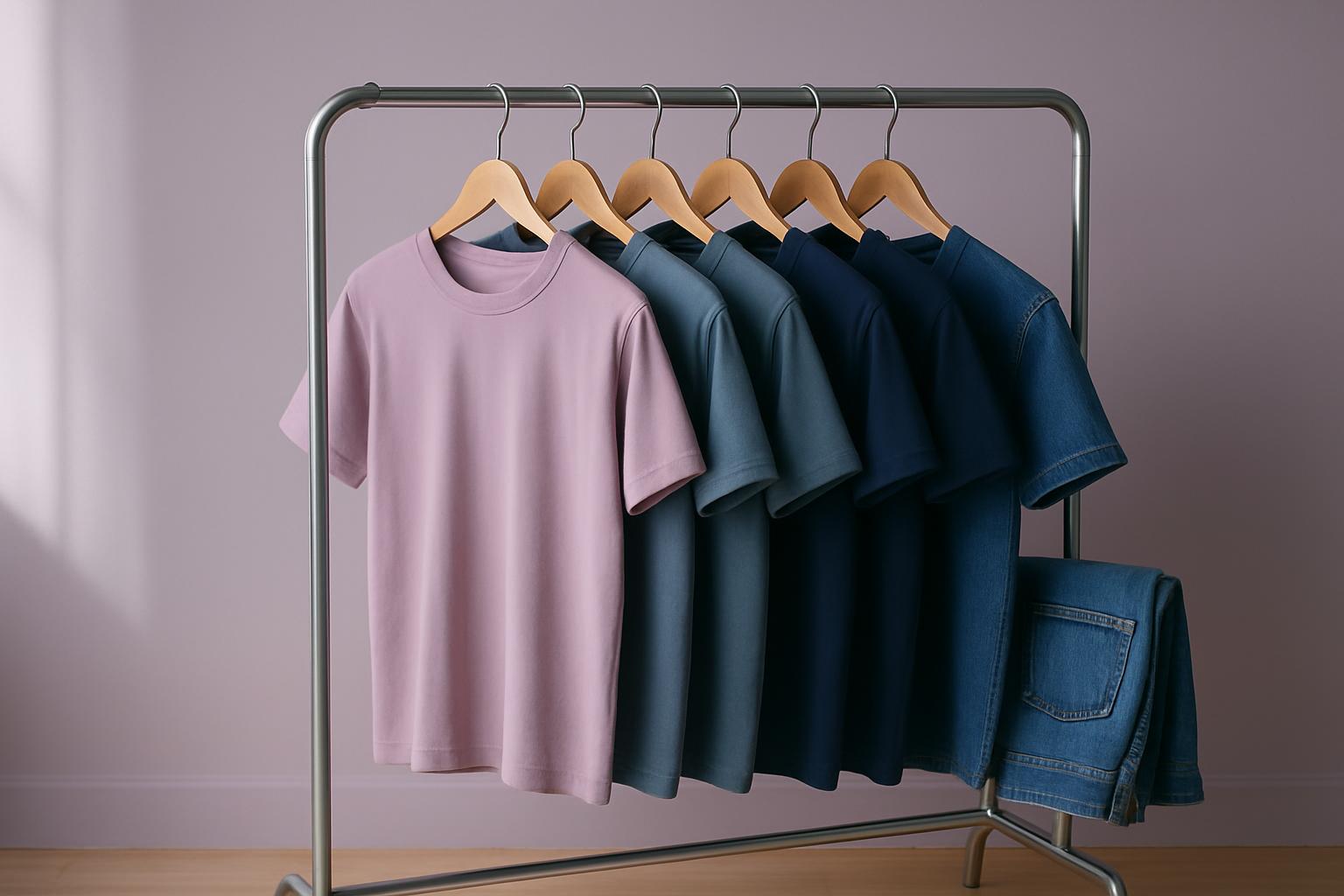
Sourcing on Fashion Basics Rail is a written shortlist, not a folder of maybes. We log MOQ, lead time, and sample windows before anyone builds a channel plan.
Fabric notes travel with samples and reorders.
For Fashion Basics Rail sourcing, get pack ratios before the first sample leaves Cape Town. A rail with tees, vests and leggings goes wrong quickly when inner packs, size splits and carton counts are guessed later.
Cape Town cut, make and trim houses can look tidy on a shortlist, but fabric timing still needs checking against load-shedding and dye-house queues. Stock held for Gauteng sellers also needs moisture notes when sealed near the coast, especially for rib knits and brushed fleece.
Basics sell on repeat, so the wholesale sheet must match the product page from the start. Unit weight, fabric composition and size run details matter when a plain crew neck is being listed across Takealot, a Shopify store and WhatsApp orders.
For a shortlist shaped around your range, use our contact form and add the category notes that matter. We match Fashion Basics Rail sourcing to fabric type, MOQ pressure, sample timing, and the channels you plan to test from Rosebank.
If you are building out basics, read playbooks, compare active projects, then check shipping & samples against your chosen fabric families. Those three references help when one supplier can cut tees well but struggles with fleece packing or relabelling.
Fashion Basics Rail sourcing turns a broad clothing idea into a written buying card with sample dates, fabric notes and owner names. Once MOQ, care label method and photo pack responsibility are recorded, ops has something usable instead of half-remembered supplier talk.
Keep the sourcing note tied to the matching channel matrix and stack template for the same basics range. A seller listing neutral tees one way and packing them another usually discovers the mismatch through returns and size complaints.
| Focus | Fashion basics |
|---|---|
| Fabric | Noted |
| Care | Labels |
| Photos | Return-ready |
| Supplier | Cape Town |

In the trade room we treat basics as repeat work, not filler stock. That means checking neck rib recovery, hem consistency, label placement and whether restock colour names stay stable across reorders.
Name the person holding each sample pack and each supplier card. In apparel, staff changes happen, and an unsigned note about black leggings or white vests can turn into the wrong reorder very quickly.
If a courier rejects a clothing carton for dimensions, update the rail note straight away with the measured packed size. Basics often look compact on a table but bulk up once folded with size stickers, spare labels and polybags.
South African weather shows up in clothing stock long before a return is logged. Coastal damp can affect packed cotton, while inland heat can stress adhesives on relabelling and barcode stickers, so those conditions belong on the SKU note.
Fabric notes travel with samples and reorders.
If a fabric, trim or packing point is unclear, send the shortlist through our contact form and state the question plainly. That is especially useful for Fashion Basics Rail work where one missing note on GSM, rib match or care label format can disrupt a whole repeat line.
Verified Google reviews
Our contact form routes Fashion Basics Rail sourcing questions to the Rosebank desk. Include the product family, expected size range and whether you need local sampling, relabelling or return-ready packing notes.