Sample windows and supplier reviews for Launch-Ready Catalogue.
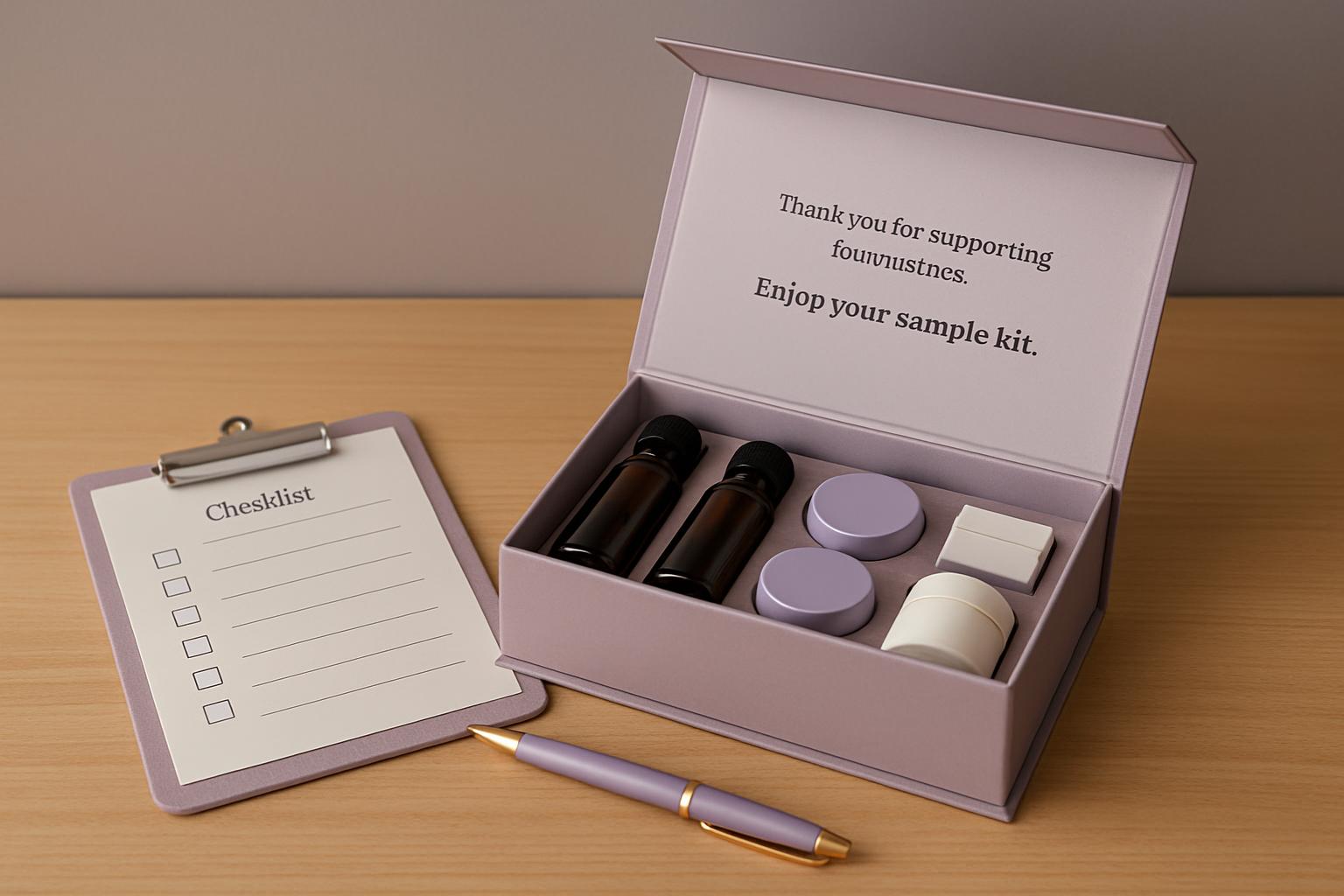
Samples for Launch-Ready Catalogue should match the batch you can reorder. Pretty one-offs waste travel time.
Arrive with the Launch-Ready Catalogue sample sheet, not a general shopping list. At Rosebank HQ and supplier sites, the useful checks are barcode placement, inner quantity, pack-card wording, and whether the sample can be reordered as the same line.
Take photos of every MOQ card, outer carton label, and any date code printed on the sample batch. Those images matter later when a seller compares what was shown at review with what the supplier can actually replenish.
Load shedding should not stop a sample review. Keep a printed checklist, mark carton counts by hand, and note any missing pack information before you leave so the record does not depend on office power or a shared folder.
A sample only helps if its finish, pack method, and inserts match the reorderable stock. Buyers notice quickly when the review unit looks premium but the live batch ships in a thinner carton with different pack cards.
To arrange a sample window, use our contact form and note the SKUs you want matched to reorder stock. Include pack size, MOQ questions, and whether the supplier will show shelf-ready units or plain transit packing.
Related reading: playbooks, projects, and shipping & samples for sample handling, pack checks, and supplier comparisons around starter catalogue planning.
Launch-Ready Catalogue samples turn a shortlist into something operations can verify. Once the SKU, pack card, MOQ, and carton notes are written against the sample, the catalogue moves from idea stage to a workable seller file.
Keep the sample notes aligned with the intended channel matrix and the fulfilment starting point. A product packed well for direct courier may still be wrong for marketplace prep if labels, inserts, or dimensions are off.
| Focus | Starter catalogue |
|---|---|
| SKUs | Tight shortlist |
| Margin | Worksheet |
| Fulfilment | Starter notes |
| Supplier | Rosebank HQ |

Useful notes from the samples desk
Write the supplier name, review date, and staff contact on each sample card before it leaves the table. Once several similar items are in circulation, unnamed cards create confusion over which MOQ and carton spec belongs to which supplier.
If a courier restriction comes up during testing, add it to the sample record immediately. Hazard flags, oversize cartons, and weak outer packaging all affect whether the SKU belongs in the starter catalogue at all.
South African conditions change how packaging behaves in storage and transit. Coastal moisture, inland heat, and long courier routes should be noted beside the sample so sellers know whether wraps, seals, or carton strength need another look.
Start narrow, then scale when ops can name the risks.
When a sample raises questions, use our contact form with the shortlist and the exact issue seen on the item or packaging. That could be a barcode position, an MOQ mismatch, or a pack card that does not describe the batch correctly.
Quick note
Pause the listing process when two versions of the same sample data are circulating. If MOQ, carton count, or fulfilment method differs between notes, write one checked record against the physical sample before ads, marketplace setup, or seller onboarding continue. Use contact form if you want another review of that sample card.
Verified Google reviews
Rosebank Trade Studio handles these sample checks, with the desk details listed on our contact form. Add the supplier name and catalogue range so the request lands with the right context.